Europe’s competitiveness depends on our ability to innovate, and innovation depends on the systems that enable it.The Competitive Compass by the European Commission, sets out a clear agenda: close the innovation gap, decarbonise, reduce dependencies, and create the right conditions for ideas to grow.
This is exactly where ekip contributes. We work across Europe to redesign the policies and ecosystems that make innovation possible, and we bring creatives into the early stages of problem-solving and policy design.Some of the things we do — our work spans the full innovation cycle: ✔ Policy recommendations: clear actions to strengthen CCIs within Europe’s innovation systems. ✔ Innovation portfolios: real-world testing with local stakeholders to see how policy ideas work in practice. ekip is redesigning the systems that enable innovation, helping Europe turn its creative strength into competitive strength. Join us in shaping the future of Europe’s innovation ecosystems. |
| | | |
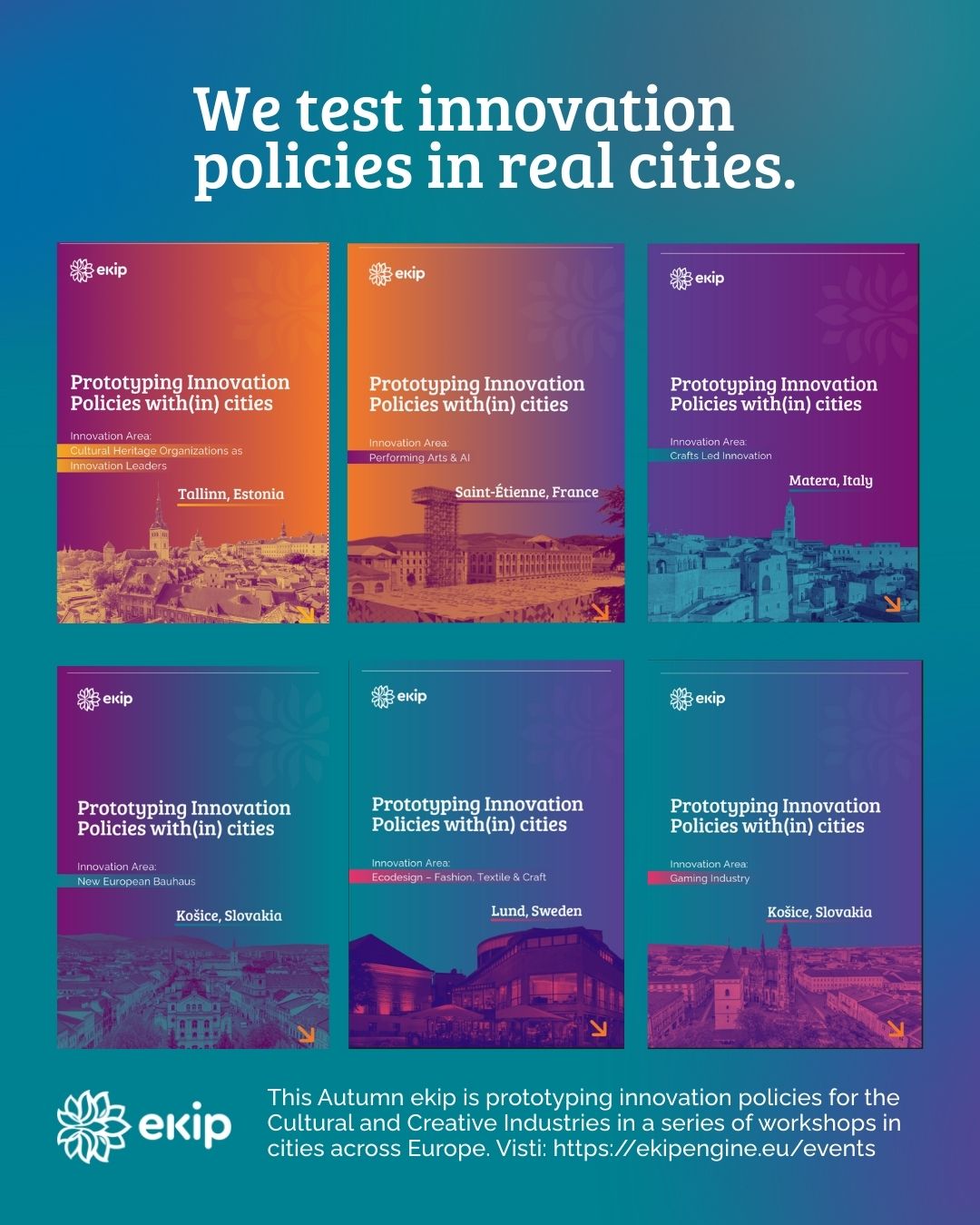
How can we test innovation policies in real contexts, before they’re implemented?At ekip, we prototype in cities. Together with city stakeholders, policymakers, creatives, businesses, and researchers, we test what a policy recommendation could stimulate in practice. Each workshop leads to an innovation portfolio: a map of possible actions, resources, and collaborations needed to make new policies work on the ground. You can read more about our City Cases and methods in the ekip Knowledge Bank, our growing library of tools, explanations, and practical examples designed to support innovation across Europe. |
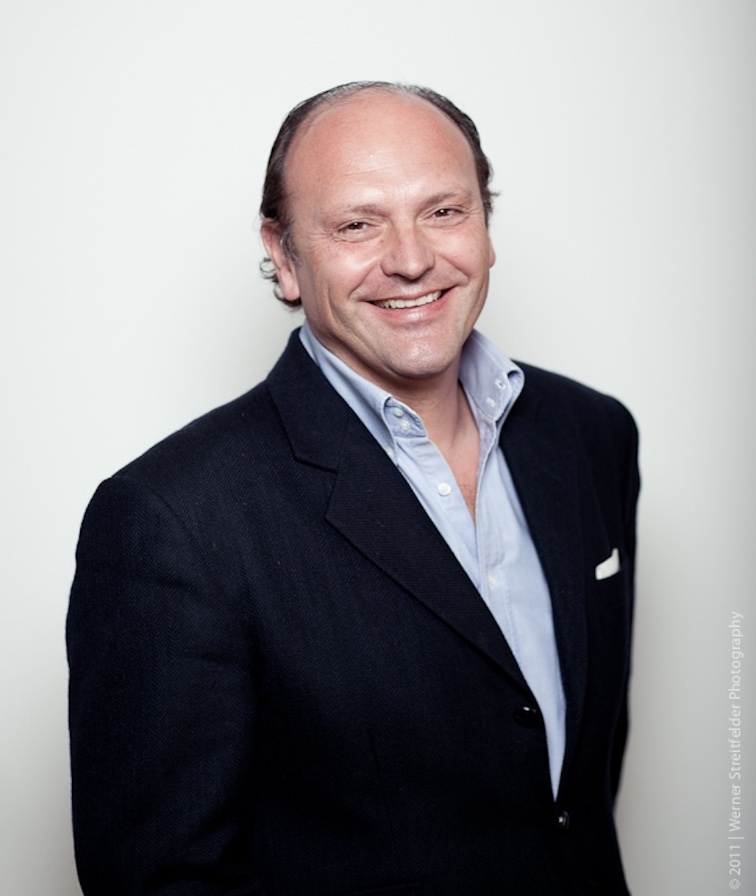
| | | | | Harald Hartung is former Head of Unit for Research on Culture, Creativity and Innovation at the European Commission.
|
Europe's True Advantage: CreativityEurope doesn't have cheap labour. It doesn't have abundant raw materials. What it does have — in extraordinary concentration — is cultural depth, artistic talent and a creative capacity that other regions cannot easily imitate. "Our only real competitive advantage is our brains and creativity," says Harald Hartung former Head of Unit for Research on Culture, Creativity and Innovation at the European Commission and author to " Unleashing the potential of the cultural and creative industries " |
| | | | | Policy Area: Inclusivity in the Gaming Industry | | |
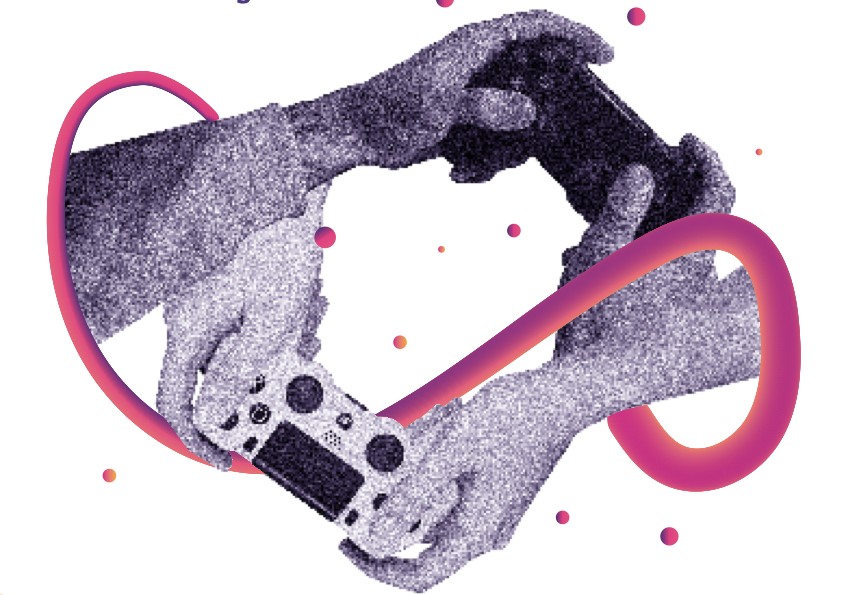
Policy Poster on Inclusivity in the gaming industryThe video game industry has evolved from early arcade games to a multi-billion-dollar market driven by technological advancements. Innovations such as real-time 3D graphics, online multiplayer, and mobile gaming have expanded its reach1. Europe alone is home to 5,300 game development studios, contributing to a turnover of €19 billion within the EU in 2022.Despite its growth, the industry
faces significant challenges regarding inclusivity. Women represent only 24.4% of
the workforce in the sector3, pointing to an imbalance in gender representation.
Furthermore, the industry has struggled with broader issues of diversity and
accessibility, with limited representation of diversity both in game content and
behind the scenes. These disparities are compounded by a wave of layoffs
following the market saturation caused by the COVID-19 pandemic, reflecting a
need for greater equity and diversity within the sector2.
|
| | | |
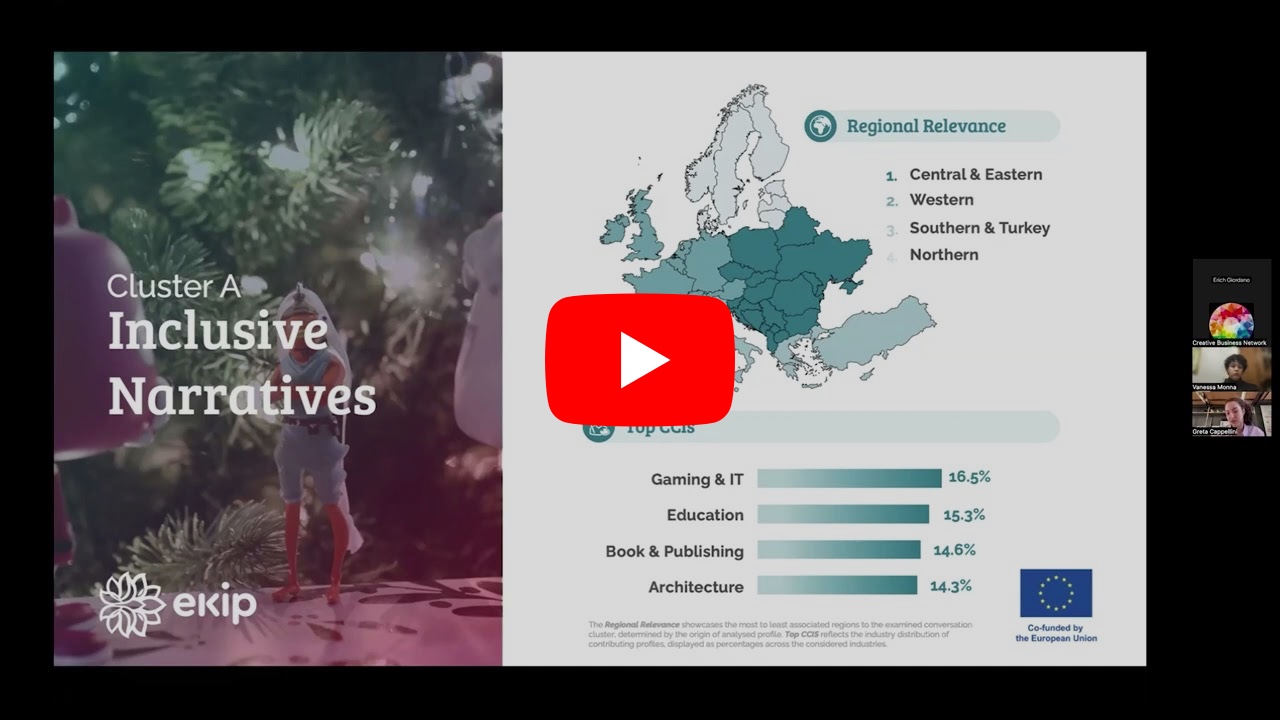
ekip´s partner NEXTATLAS analyse on social media the CCI´s interest in platformisation of the music industry.
|
| | | |
Formulation - Policy LabGames are cultural gold |
From independent studios to classrooms and libraries, a quiet revolution is underway. A new wave in the gaming industry is reshaping the conversation around inclusivity—not through quotas or corporate mandates, but by reimagining what play means, who gets to participate, and why games must be seen as a cultural force. |
| | | |
A strong gaming industry isn’t just good for business — it’s good for society |
The video games sector is an important albeit often overlooked component of the global and European cultural and creative industries (CCIs). Video games are not just a thriving industry but also a reflection of society: what is shown in games and who’s working on them matters. Inclusivity makes the sector more innovative and contributes to wellbeing and cohesion. |
| | | |
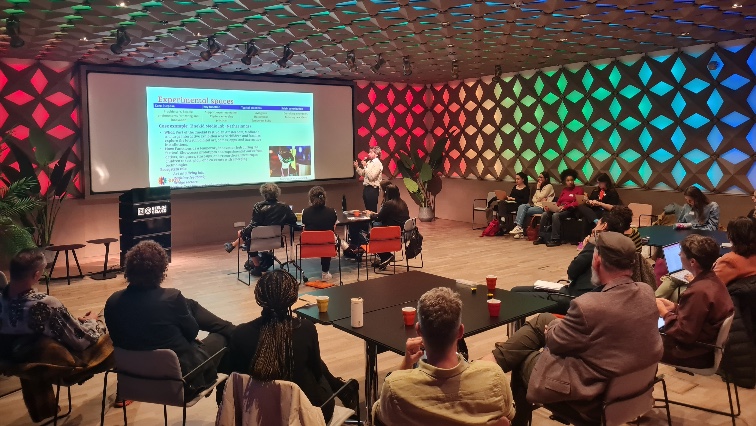
New pathways for cross-innovation in the performing artsekip visited Stockholm to present new policy pathways for boosting cross-innovation in the performing arts at a workshop and a policy roundtable. In collaboration with Riksteatern, Sweden’s largest producing and touring theatre company, and Lund University, the event brought together politicians, directors, choreographers, researchers, innovation specialists, entrepreneurs, designers, and business developers to explore how partnerships between the performing arts, research, and industry can spur innovation. ekip will publish a full report on the discussions. |
| | | |
ekip AcademiesTransform your local ecosystem through creative innovation. ekip Academies are intensive 3-day programmes empowering cities and regions to harness creative and cultural industries for cross-sectoral innovation. Work alongside peers, develop practical policy tools, and drive systemic change in your community. Express your interest today to stay updated and receive invitations! |
| | | |
Hackathon: Mixed Innovation Zones
Eager to find new answers to questions about innovation and culture? Join the online hacking session where wild ideas meet hands-on making. Discover the concept of Mixed Innovation Zones and brainstorm what shared visual language or narrative can help innovation and cultural actors understand each other. Connect with creative minds, exchange skills, and prototype solutions that actually matter. Express your interest to stay updated, be the first to register, and get further event details! |
| | | | Want to engage with ekip? | | |
Innovation doesn’t just happen, it needs to be made. The new ekip Knowledge Bank is Europe’s go-to platform for tools, case studies, and insights that put Cultural and Creative Industries (CCIs) at the center of policy transformation.
Designed for policymakers, funders, creative and cultural practitioners, and innovation actors, the Knowledge Bank helps cut through the noise, bridge fragmented approaches, and support evidence-based innovation policies.
Explore the ekip Knowledge Bank now: knowledge-bank.ekipengine.eu
We welcome contributions that advance understanding and practice around innovation in and with Cultural and Creative Industries (CCIs). You can submit your contribution here
|
| | | |
Interesting in ekip´s previous newsletter on AI and Cultural and Creative Industries, New European Bauhaus, Immersive Media, Craft-led Innovation and Platformisation of the Music Industry? |
Discover how Europe’s Culture and Creative Industries are unlocking open innovation. |
| | | |
Q and A about ekip Community that serves as a hub for meaningful discussions, brainstorming sessions, and collaborative projects aimed at making a positive impact on policy outcomes. |
| | | |
ekip is a Horizon Europe initiative designed to revolutionise
innovation policies for Cultural and Creative Industries
(CCI).The 17 partners of ekip bring specific competences to the Innovation Policy Platform. The process of formulating policies is compared to an engine where the data is analysed, prioritized and processed. ekip will map and categorize 100 policy areas and process at least 13 of them through the whole engine and create recommendations. More than 40 CCI network and organizations across Europe are engaged by defining and giving the engine data about our selected policy areas. This initiative ensures that supportive ecosystems develop a capacity to handle complex multi-stakeholder innovation processes needed to realize more innovative CCIs in Europe and the behavioral change they drive towards a more green, inclusive and digital Europe We will equip Europe with all the potential CCIs offer for its future
|
| | | | |