Lund University has climbed to first place in the world in the QS World
University Rankings: Sustainability 2026. “Humble, proud, and inspired to continue moving forward – that’s how I
would summarise the feeling that Lund University is now ranked number
one in the world", says Erik Renström, Vice-Chancellor of Lund University.
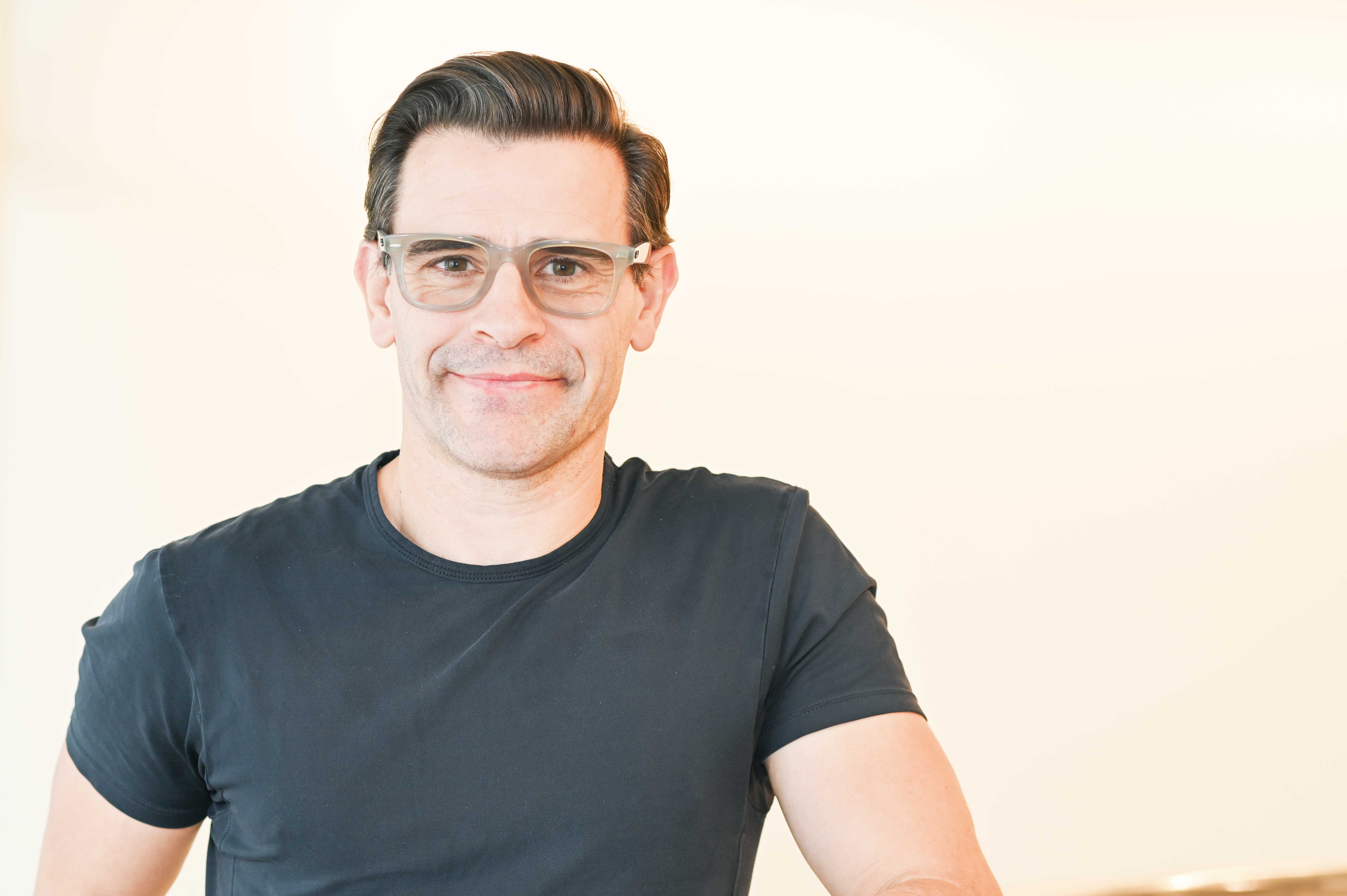
Professor Paul W. Franks, who co-chaired the working group behind the
NIH report “Pathway to health for all: Heterogeneity of Diabetes”.
A new report from the U.S. National Institute of Diabetes and Digestive and Kidney Diseases sets out an unprecedented global roadmap for the field. We spoke with Professor Paul W. Franks, who co-chaired the working group behind the report, about its aims to coordinate international research, expand data infrastructures, and lay the foundation for equitable precision diabetes medicine.
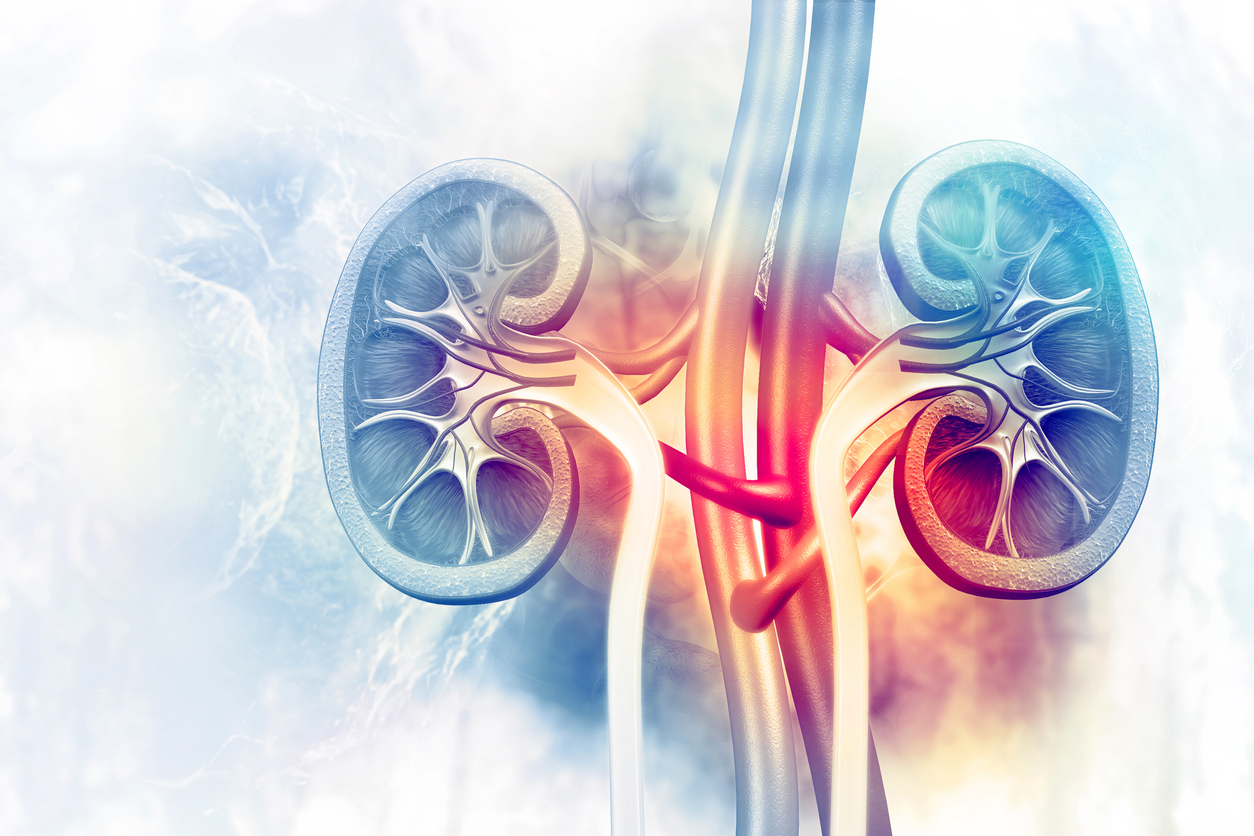
The new advances in kidney care have been compared to the transformative impact of statins on cardiovascular diseases.
After more than a decade of stagnation, there is a major surge in kidney
research effort. New drugs and biomarkers make it possible to detect
and slow the progression of the disease earlier – something that long
seemed unattainable. This will impact people with diabetes, for whom
kidney damage is a serious long-term complication.
Roger Barker, professor of clinical neuroscience at the University of Cambridge, Jonna Bornemark, professor of philosophy at Södertörn University and Sara Heyman, foreign correspondent at Ekot have been appointed honorary doctors for 2026 at the Faculty of Medicine.
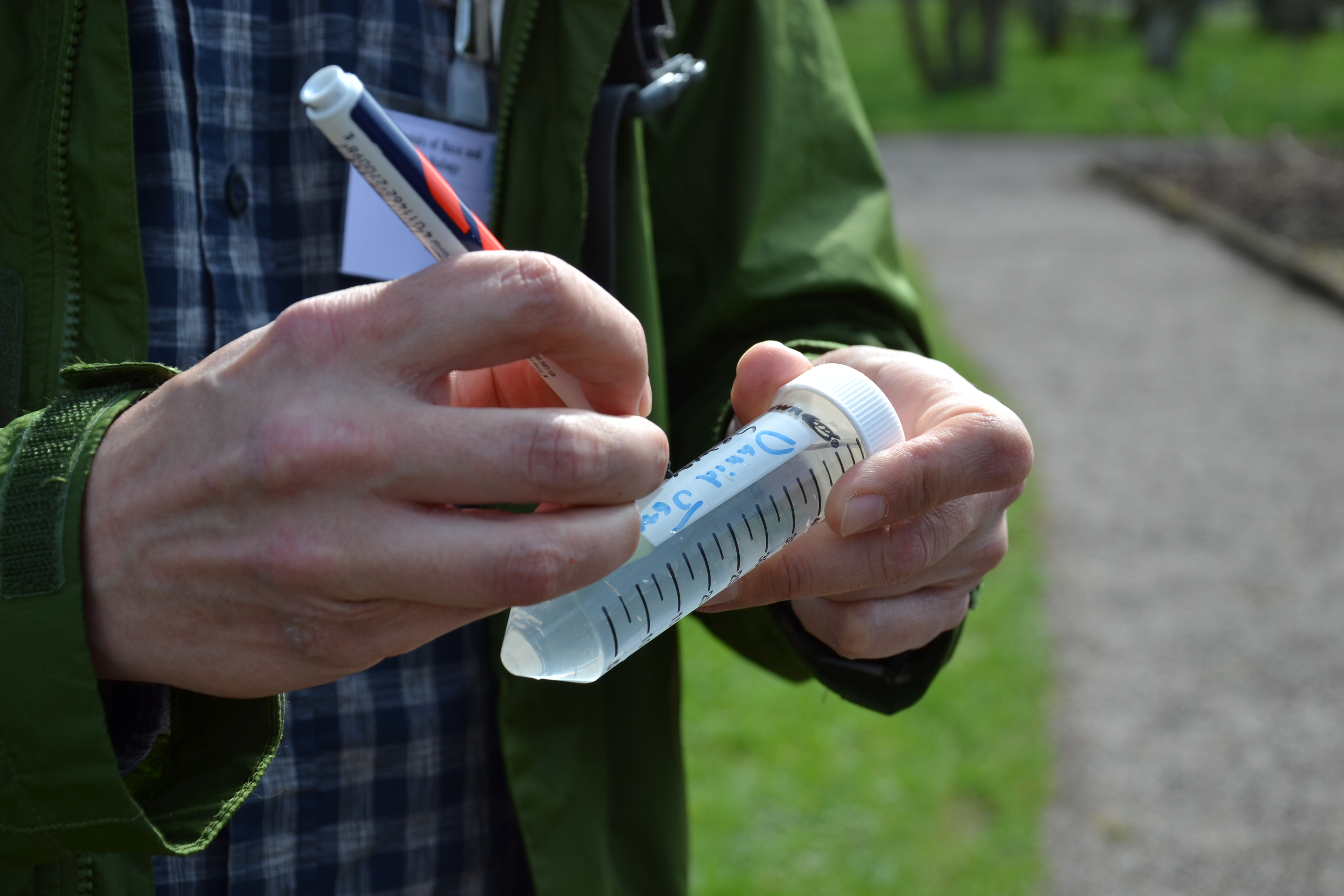
At Lund University, Sweden’s first international course in phage biology
has been completed. Doctoral students from across Europe came to attend
lectures by leading phage researchers, and to hunt for new phages and
find the right precision weapons with which to attack various bacteria.
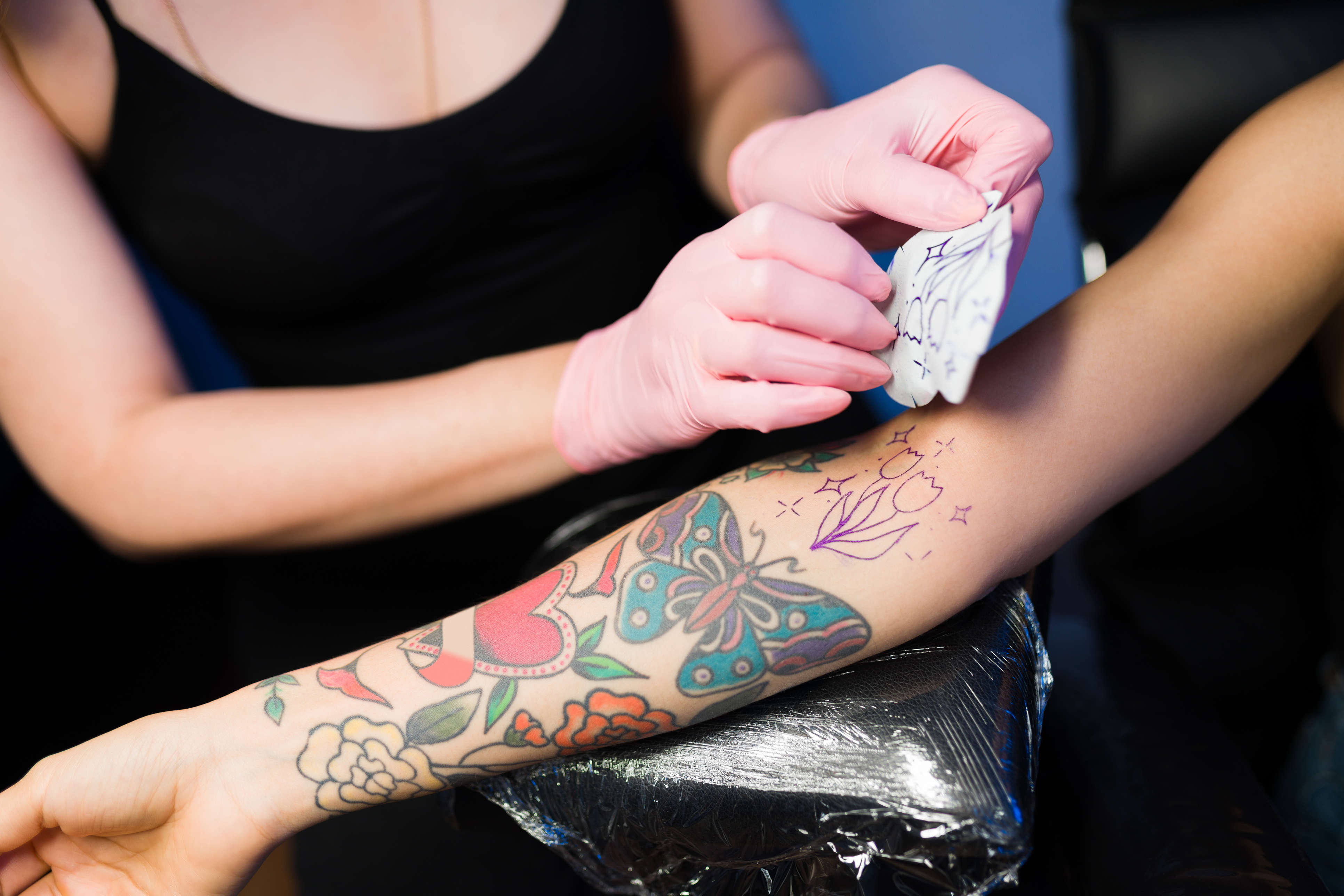
An increasing number of Swedes are getting tattoos and Sweden’s
population is now one of the most tattooed in Europe. At the same time,
the incidence of melanoma is increasing. A new epidemiological study
from Lund University in Sweden suggests that tattoos could be a risk
factor for melanoma.
About the newsletter
This is a newsletter from the Faculty of Medicine at Lund University, Sweden. Contact: info@med.lu.se