BIOPATH Newsletter for members, partners and stakeholders with news about activities and learning opportunities on biodiversity and business |
| | |
|
|
No snow for Xmas and maybe no more Snowy owls in Sweden
|
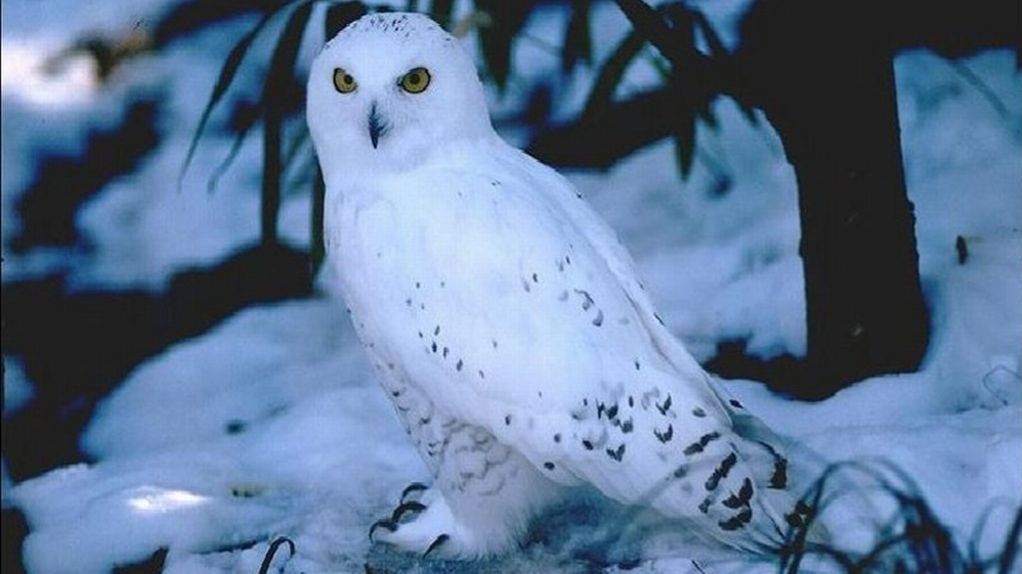
Some weeks ago there was sad news from the Red List in Sweden, monitored by SLU Artdata-banken, as there are signs that the Snowy Owl now is so rare that is to become classified as extinct in Sweden. The situation is the same for the national barn owl. The news from COP30 was not uplifting either. It is becoming all the more clear that only integrated solutions can protect ecosystems, economies and societies in a world of rapid and dramatic change. | We have been busy planning for next year but also applying for a phase 2 of BIOPATH
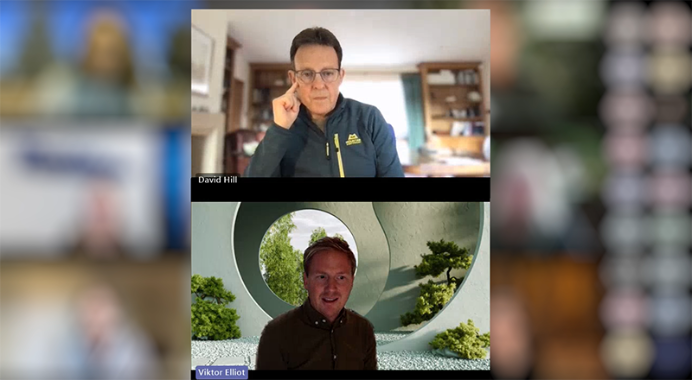
If we have been more quiet in communicating through newsletters, we have been all the more busy in internal communications to firstly report on our progress this year, plan for 2026 and then see how we can bring our findings and insights from the past years into a new format and setup to create the impact we have set out to have in four impact pathways - scientific novelty, awareness and understanding, co-development of innovative approaches and policy and capacity building. A highlight in October was the first Swedish Biodiversity Symposium (SBS). Researchers from Mistra BIOPATH were involved in several sessions. In Biodiversity Finance Pathways: Perspectives from Sweden, we learnt about experiences in the UK from David Hill, Foundation for Nature. We are happy to share a recording with him, moderated by Victor Elliot. | |
In this newsletter, you can also get an overview of recent publications, new faces, new educational initiatives, upcoming events and inspirational reading.
We hope to see many of you at the Transdisciplinary Policy Lab in February in Gothenburg. Wishing you all the best for the end of 2025 and a bright and prosperous New Year! Susanne Arvidsson,
Mistra BIOPATH Programme Director | | | | Special issue on Biodiversity Finance by editors from BIOPATH and FinBIO
In this special issue of COSUST, the current and fast-paced developments of research on biodiversity and finance are mapped. A range of scholars from different disciplines and regions showcase a portfolio of questions and methods. The aim is to provide a reference point and an overview of what is currently being researched, as well as to look ahead and point towards new interesting directions.
The collection is organised around four sub-themes: a biological theme, a market theme, a governance theme and an ethical theme. Read more
| |  fd fd |
New BIOPATH paper published!
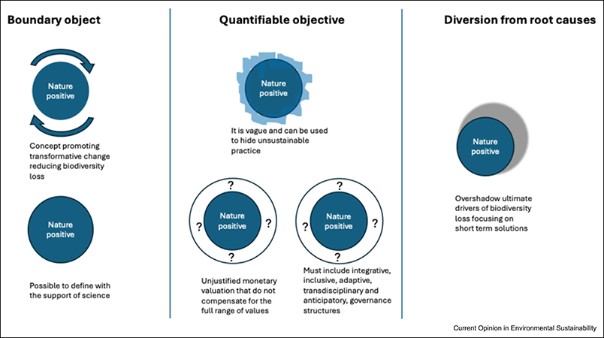
| Defining and operationalising "nature-positive" - a question of power The paper, authored by Marie Stenseke and all the WP leaders of Mistra BIOPATH, examines how the concept ‘nature-positive’ as a means to enhance biodiversity is defined and used, viewed through the lens of power. Building on a three-dimensional conceptualisation of power, they elaborate on how ‘nature-positive’ enters and remains on business and policy agendas, different inter-pretations from both ecological and business perspectives, and the governance of its implementation. Read more
| | | | | | |
Dialogue seminar with Professor David Hill and more video clips to come
In this Dialogue seminar, professor David Hill, founder and president of Foundation for Nature, talks about the learnings from the concept Biodiversity Net Gain, how Habitat banking works and more. In addition to this seminar we also recorded video interviews with him and other experts visting the Swedish Biodiversity Symposium and University of Gothenburg, to be included in the MOOC. | | fd |
WP-integrated policy lab focus on financial decision-making, 5 February
We are happy to welcome Douglas Bjäresten who started working as a Policy coordinator for Mistra BIOPATH in October. He has a backgrpund in both Economics and Political Science and has previously worked with Baltic Waters. He has been instrumental in setting up the first transdisciplinary Policy Lab that will take place in Gothenburg on 5 February. The purpose is to test a
specifically selected designed decision-making-situation. | | | | | X-Course on Climate, Culture and Biodiversity
-
Interwoven Challenges in a Changing WorldIn January-March 2026, the first cohort of students at Lund University will take partof this new 3-credits X course, inspired by the capacity building efforts in Mistra BIOPATH and led by WP 1 leader Johanna Alkan Olsson. The
course focusses on the intersection between biodiversity, climate
change and culture. The main goal is to provide students
with knowledge about biodiversity and its multiple values the
main causes to its loss. The students
will also learn how artistic expressions can be used as strategic
tools to understand, communicate, problematise and contribute to solutions
that decrease the threat against biodiversity and develop a
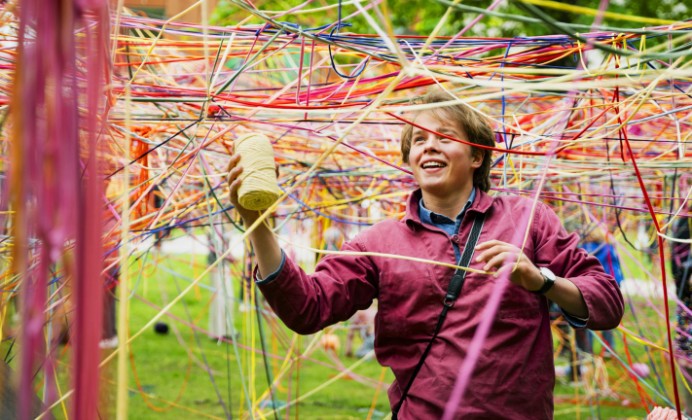
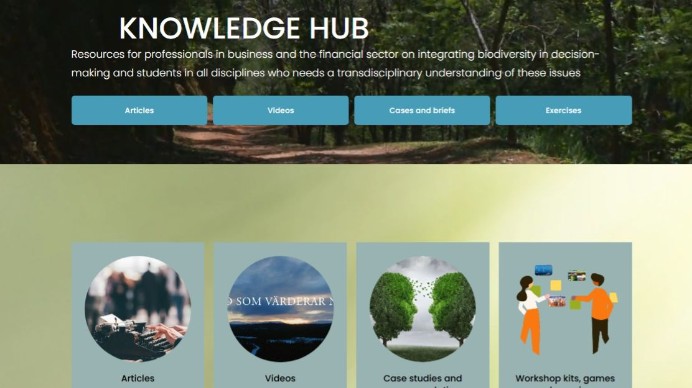
smaller project using an artistic expression.The Botanical garden, Skissernas museum and the Historic museum in Lund are involved. Learn more | | fd | New 5 credit course on Sustainability reporting, Transition Finance and Business TransformationThe course is provided by Lund University School of Economics and Management. It links to Mistra BIOPATH and is developed by Programme Director Susanne Arvidsson. The goal is to develop students’ knowledge of and ability to apply theories, policies, frameworks and concepts related to promoting green transition and dealing with the twin crises of climate change and biodiversity loss.The students will gain an understanding of fundamental theories, polices, frameworks and concepts related to sustainability reporting, transition finance, and business transformation and develop an ability to identify relevant theoretical and practical opportunities and challenges in promoting the green transition by better integration of sustainability consideration into financial decision making. Learn more | | | | | Knowledge bank and MOOC under productionIn the fall we have continued to build the modules of the MOOC to be launched in spring 2026. During spring we will produce more materials and have reference group testing. In parallell we are also building a knowledge bank with shorter clips, overviews, glossary and guides for more varied target groups. A team of five students from the Lund University program on Strategic Communication and Digital Media have worked on analysing target groups, which content is most relevant and how to set up an online learning platform. An early mockup can be seen here and the platform will be developed over time and provide a complement to the more in-depth MOOC course on Biodiversity, Business and Finance. If you have ideas or input in how you could use micro-learnings in your organisation, please share with us. | | fd | Swedish version of the Biodiversity Collage In collaboration with the SamBio project based at Gothenburg Global Biodiversiy Centre, Mistra BIOPATH Communicator Marianne Loor, Coordinator Johanna Generosi and researcher Johanna Alkan Olsson have worked on a Swedish version of the workshop material called Biodiversity Collage. We have developed two land-based Swedish ecosystem examples on how the modification of wetlands in the last century to gain more land for cultivation also caused negative effects on ecosystem resilience and biodiversity. In addition, two marine ecosystem examples, from the Baltic Sea and the West coast of Sweden provides understanding on how the ecosystem works in balance and if it is disrupted.
The deck of cards and a facilitators guide is translated in Swedish. On 29 January, we will present the material and process in a Dialogue seminar. | | | | | | | | | | | CalenderUpcoming events, workshops, seminars | | | |
19 January |B4B - inspirational talks for BIOPATH young researchers | Building 4 Biodiversity with Henrik Smith
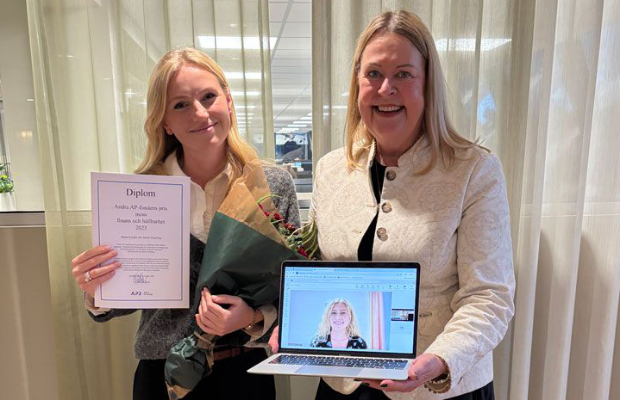
| | | | | | 20 January| Grand Seminar, Lund University / BECC | | | | | Biodiversity Collage - Swedish ecosystems version | | | | | | 5 February| University of Gothenburg, School of Business, Economics & Law | WP-integrated transdisciplinary Policy Lab | | | | | | 7 Maj | Dagens Industri / Aktuell Hållbarhet event (Save the date) | | | | | The Brazil bloggers awarded by AP2 for Master´s thesisCongratulations to Jennie Utterberg and Hanna Kysela from University of Gothenburg who we earlier this year could follow on their field studies in Brazil via bloggposts on Mistra BIOPATH website and LinkedIn. Now, AP2 has awarded them a prize for their thesis related to sustainability and finance with this motivation:
“The thesis stands out by combining quantitative analysis with qualitative interviews and field studies to highlight the financing gap for biodiversity in developing countries, with Brazil as a case study. It demonstrates considerable academic maturity, methodological breadth and societal relevance. By identifying concrete obstacles and solutions for private investment in biodiversity, the work contributes insights that are directly applicable to both policy and practice.”
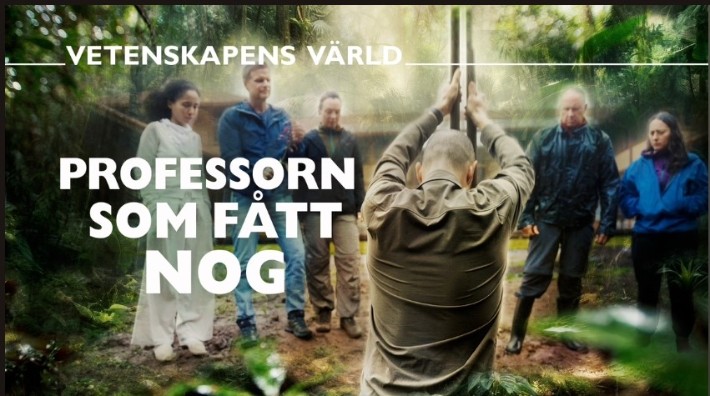
Link to article and to download the thesis | | fd | Documentary on Antonelli´s foundation efforts in BrazilThis film follows how Alexandre Antonelli and his wife Anna find the means to build and establish a research centre for the conservation of a part of the Atlantic forest on the east coast of Brazil, The Aracá project. An ambition is to have the research station ready for the COP30 meeting in November 2025 to attract interest and also potential investors. A small team work hard to make the dream come true but there are both technical, social and human factors involved that effects the project and the nearby community. The Atlantic Forest is a global biodiversity hotspot with high levels of diversity and also high conservation threats. This is conveyed in the film and how much there still is to be discovered and documented. Watch the film on SVT Play (available until Nov 2027) and follow the Aracá project online. | | | | | Webinar and report for a nature-positive economy
GoNaturePositive! is a collaborative initiative backed by the European Commission dedicated to accelerating awareness and transformative action towards a nature-positive economy among policymakers, investors, businesses and wider society. In this webinar and report they map policies and private sector initiatives:
Download or read the report
Key Insights from Policy Webinar | | fd | Mapping Business & Biodiversity landscape This report is intended for researchers and donor
agencies but has a broader use by e.g practitioners including businesses and financial institutions within the European business and biodiversity
landscape. Biodiversa+ hope that the report will provide
a knowledge platform to help stakeholders to navigate in this rapidly developing field. Moreover, that it may also inspire joint programming
in business, research and innovation and promote
collaborations. Download the report here
| | | | |
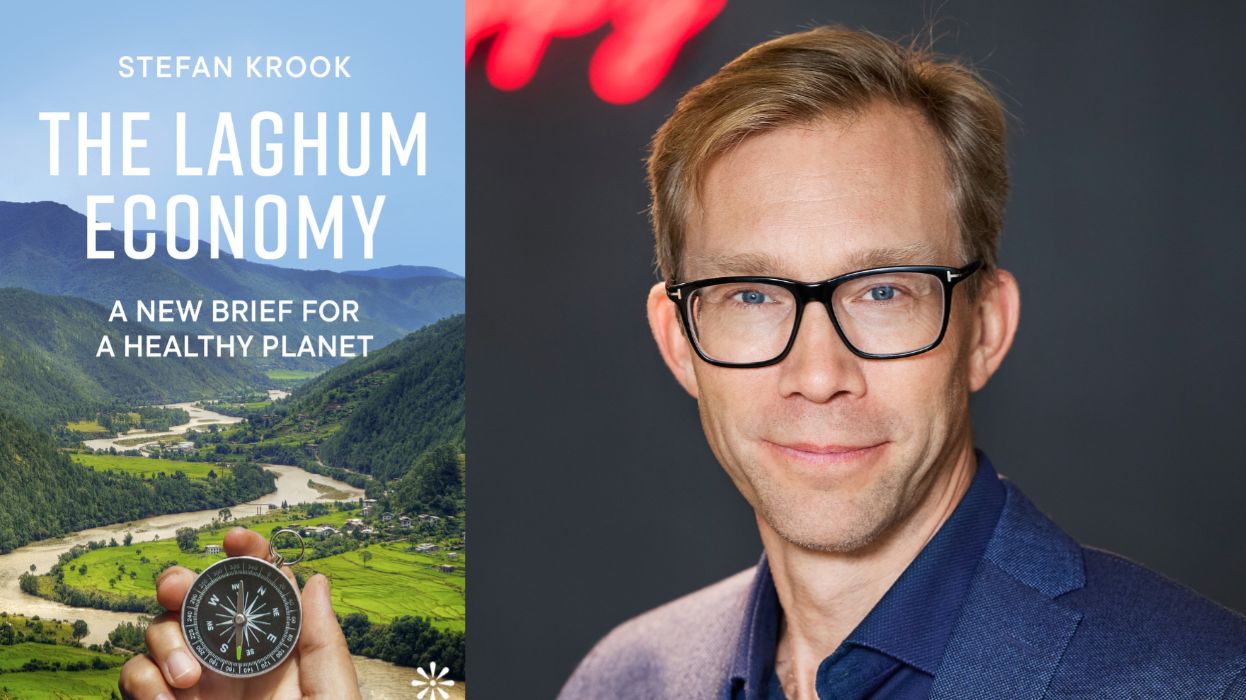
A new brief for a healthy planet"The Laghum Economy is essentially about putting a price on nature. The Krook book sparks the thought and calls for action. Stefan Krook’s message is clear: let’s just do it!"Lars Strannegård, President Stockholm School of Economics The idea of putting a price on nature is not new. What is new is the urgency and the scale required, and the way Stefan Krook demonstrates how it could be implemented. In this book he proposes a Laghum economy – a new form of mixed economy where the free market remains the engine of prosperity, while the state ensures that the rules of the game are sustainable by setting the right incentives. That way, innovation and growth can unfold within planetary boundaries
| | | | | | | |
| | Mistra BIOPATHSchool of Economics and Management Lund University P.O. Box 7080 SE-220 07 Lund, Sweden
+46 46-222 00 00
info@mistrabiopath.se
| | | |
|
|